Morocco is famous for its rich culture and varied landscapes. It’s a top choice for travelers. When you plan a trip, deciding between the North and South is key. Each area has its own charm, from lively cities to peaceful deserts.

The North has Morocco’s lively cities like Tangier and Chefchaouen. These places are full of history and culture. In contrast, the South is where you’ll find the stunning Sahara Desert and the Atlas Mountains. Here, you can enjoy amazing natural views and exciting adventures.
Key Takeaways
- Morocco offers diverse travel experiences across its regions.
- The North is known for its vibrant cities and cultural heritage.
- The South is home to the Sahara Desert and Atlas Mountains.
- Travelers can choose between urban excitement and natural beauty.
- Understanding the unique aspects of each region can help plan a more fulfilling trip.
Morocco at a Glance: Understanding the Country’s Geography
Morocco’s geography is a mix of mountains, deserts, and coastlines. It’s a fascinating place for travelers. You can explore bustling cities or trek through rugged mountains.
The Diverse Landscapes of Morocco
Morocco has many geographical features. There are the Atlas Mountains, the Sahara Desert, and coastlines along the Atlantic and Mediterranean. The Atlas Mountains are great for hiking and trekking. The Sahara Desert lets you see vast dunes and experience Berber culture.

Major Regions and Their Characteristics
Morocco is divided into several major regions. Each has its own unique features. The north is famous for its cultural heritage and historic cities like Tangier and Fes.
The south is home to the Sahara Desert and the vibrant city of Marrakech. Knowing these regions helps plan your trip to Morocco. It ensures you make the most of your travel experience.
| Region | Characteristics |
|---|---|
| Northern Morocco | Cultural heritage, historic cities, Mediterranean coastline |
| Southern Morocco | Sahara Desert, Marrakech, Atlas Mountains |
North vs. South: Key Differences for Travelers
Morocco is a country with different landscapes and cultures. Travelers face a choice: go to the North or the South? Knowing the differences between these areas is key to choosing the right trip for you.
Climate and Best Times to Visit Each Region
The climate in Northern and Southern Morocco is quite different. The North has a Mediterranean climate, with mild winters and warm summers. This makes it a great place to visit any time of the year.
In contrast, the South has a desert-like climate. It gets very hot in summer and mild in winter. So, winter is the best time to explore the South.
Cultural and Historical Distinctions
Northern Morocco is full of cultural heritage. Cities like Tangier and Fes show off Morocco’s history through their buildings, food, and traditions. The South, on the other hand, is home to the Berber culture and the Sahara Desert.
Visitors to the South can see the unique traditions and hospitality of the Berber people. Key cultural differences include:
- Architectural styles influenced by different historical periods and invaders
- Culinary specialties unique to each region
- Festivals and traditions that reflect the local culture
Accessibility and Transportation Options
Both regions are easy to get to, with major airports in Marrakech (South) and Tangier (North). Trains and buses connect major cities, while renting a car offers flexibility for exploring rural areas. Think about how you’ll get around when choosing your destination. Some places are harder to reach and need more planning.
Exploring Northern Morocco: Major Destinations
Northern Morocco is full of different experiences. You can find vibrant cities and peaceful landscapes here. This area is packed with attractions that show off the country’s culture and natural beauty.
Tangier: The Gateway to Africa
Tangier sits on the Strait of Gibraltar and has been a key port for ages. It mixes Moroccan, European, and African styles in its buildings, food, and culture. You can see the Kasbah, visit the Grand Socco, and enjoy the lively nightlife.
Chefchaouen: The Blue Pearl
Chefchaouen is in the Rif Mountains and is famous for its blue buildings. It’s called “The Blue Pearl.” This town is calm, great for hiking and relaxing. Its streets and vibe attract many visitors.
Fes: Morocco’s Cultural Capital
Fes is one of Morocco’s oldest cities. It’s known for its ancient architecture and culture. The Medina of Fes, a UNESCO site, has narrow streets, historic sites, markets, and crafts.
Coastal Gems: Asilah and Tetouan
Asilah and Tetouan are coastal towns with beaches and culture. Asilah has a mural festival, and Tetouan has Moroccan and Andalusian architecture and food. Both towns show the area’s varied heritage.
Northern Morocco has something for everyone. You can explore Tangier’s streets, relax in Chefchaouen, or learn about Fes’s history. This region offers a rich travel experience.
Southern Morocco’s Highlights
Southern Morocco is full of exciting experiences. You’ll find vibrant cities and stunning natural views. It’s a mix of culture and beauty that will amaze you.
Marrakech: The Red City
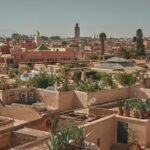
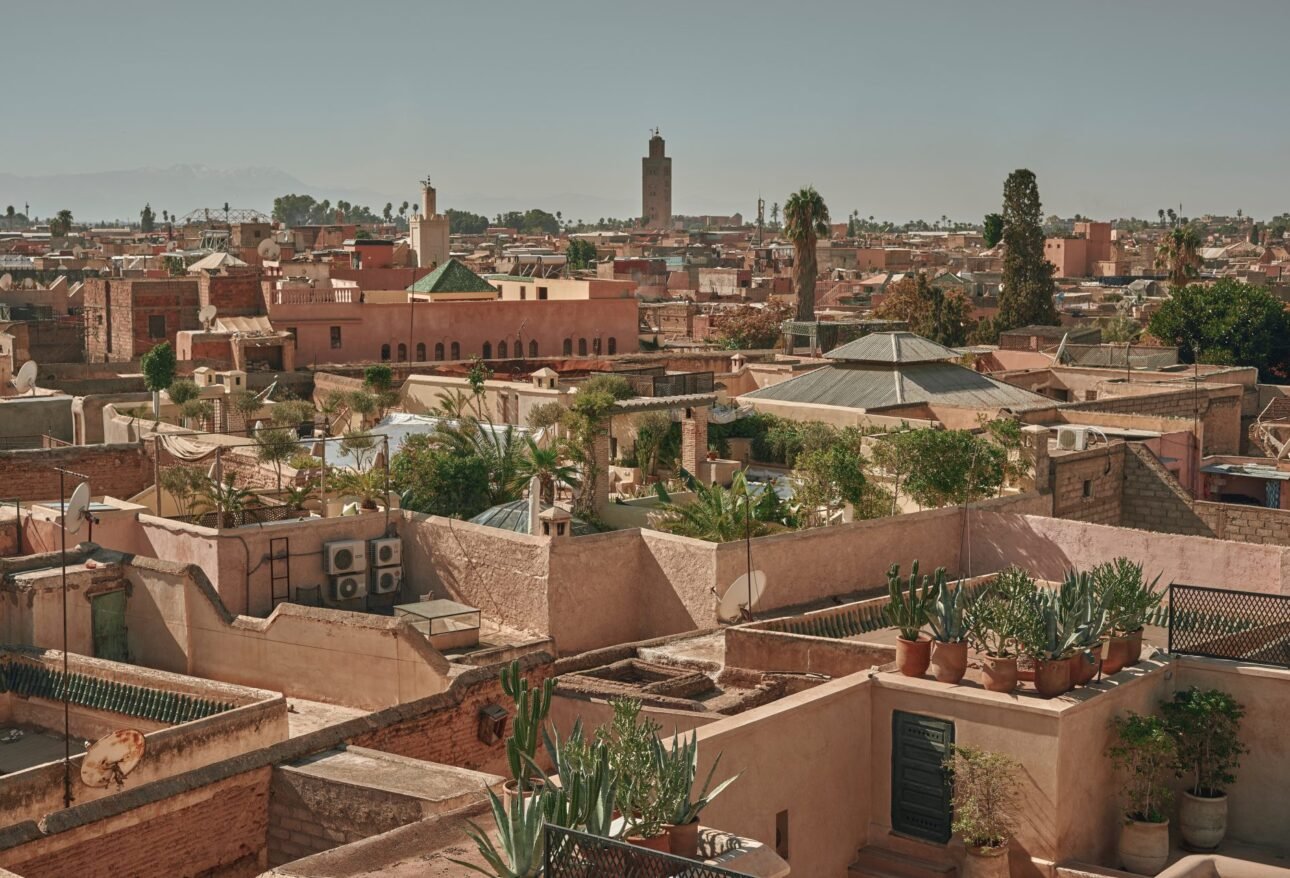
Marrakech, or the Red City, is a top spot in Southern Morocco. Its lively souks, rich history, and landmarks like the Koutoubia Mosque are unforgettable. You can wander the Jemaa el-Fnaa square, try local food, and stay in a riad.
The Atlas Mountains and Ouarzazate
The Atlas Mountains are great for outdoor fun, like hiking and skiing. Ouarzazate, called the “Gateway to the Desert,” is known for its film studios and kasbahs. You can see ancient forts, meet Berber communities, and enjoy the views.
Sahara Desert Experiences
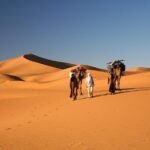
Visiting the Sahara Desert is a must in Southern Morocco. You can ride camels, watch the sunset, and sleep under the stars. The desert’s calm and beauty are unforgettable.
Coastal Escapes: Essaouira and Agadir
If you want to relax, try Essaouira and Agadir. They have beautiful beaches, fresh seafood, and a chill vibe. Essaouira is artistic and lively, while Agadir is great for water sports and sunbathing.
| Destination | Main Attractions | Activities |
|---|---|---|
| Marrakech | Jemaa el-Fnaa, Koutoubia Mosque | Explore souks, try local cuisine |
| Ouarzazate | Kasbahs, Film Studios | Hike, visit Berber communities |
| Sahara Desert | Dunes, Desert Camps | Camel trek, stargazing |
| Essaouira | Beaches, Artistic Community | Relax, water sports |
Cultural Experiences in Northern Morocco
The north of Morocco is a vibrant mosaic of traditions, crafts, and cuisine. It calls to adventurous travelers. This region offers a unique blend of cultural experiences. Visitors can immerse themselves in the local way of life.
Traditional Crafts and Artisans
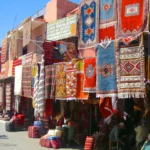
Northern Morocco is famous for its skilled artisans. They specialize in traditional crafts like woodworking, pottery, and weaving. Visitors can explore bustling souks and workshops. Here, they can see these craftsmen at work, giving a glimpse into the region’s artisanal heritage.
Culinary Specialties of the North
The cuisine in Northern Morocco is a delicious mix of flavors. It reflects the region’s cultural diversity, with influences from Spanish, Arabic, and Mediterranean tastes. Local dishes include tagines with preserved lemons and olives, and pastilla, a savory pie with layers of flaky pastry.
Connecting with Locals: Language and Customs
To truly experience Northern Morocco’s culture, visitors should connect with locals. Learning a few basic Arabic phrases helps a lot. Understanding local customs, like the importance of hospitality, also enriches the experience.
Unique Experiences in Southern Morocco
Exploring Southern Morocco is like stepping into a different world. Here, ancient traditions and stunning landscapes await. This region offers a wide range of experiences that highlight its rich culture and natural beauty.
Berber Culture and Traditions
Southern Morocco is home to many Berber communities. Each has its own unique customs and traditions. Visitors can dive into Berber culture by attending a Berber wedding or joining a homestay program.
These experiences give a peek into the daily lives and traditions of the Berber people.
Desert Adventures and Activities
The Sahara Desert in Southern Morocco is a must-see. It offers many exciting activities. Visitors can go on a camel trek across the dunes or watch the sunrise over the desert.
For those who love adventure, there’s sandboarding down the dunes or a thrilling desert safari.
Southern Moroccan Cuisine and Tea Ceremonies
Southern Moroccan cuisine is a mix of flavors. Dishes like tagine and couscous are favorites. Visitors can enjoy a traditional Moroccan tea ceremony, where tea preparation is an art.
The region’s cuisine shows its rich cultural heritage. It has influences from various cultures.
Traveling in Morocco: Practical Tips for Both Regions
Planning a trip to Morocco? Knowing the travel basics is key for a smooth trip. Whether you’re off to the lively cities of the north or the stunning south, being ready makes a big difference.
Transportation Options and Getting Around
Morocco has many ways to get around, like buses, trains, and taxis. The national railway, ONCF, links big cities like Marrakech, Fes, and Tangier. For shorter trips, petit taxis are handy, while grand taxis are better for longer rides or groups. Companies like Supratours and CTM cover a lot of ground with their buses.
| Transport Mode | Operator | Route Coverage |
|---|---|---|
| Trains | ONCF | Major cities (Marrakech, Fes, Tangier) |
| Buses | Supratours, CTM | Extensive national coverage |
| Taxis | Petit Taxis, Grand Taxis | Local and inter-city travel |
Accommodation Choices from Riads to Desert Camps
Morocco has many places to stay, from Riads in cities to desert camps. In towns, Riads are a hit, while Kasbahs and desert camps offer special experiences. Book early, as places fill up fast, more so during busy times.
Safety Considerations and Cultural Etiquette
Morocco is mostly safe for visitors, but it’s smart to stay cautious. Knowing local customs helps a lot. For example, dressing modestly and respecting traditions makes your trip better and your interactions with locals more enjoyable.
With the right info and preparation, your Morocco trip will be both fun and worry-free, no matter where you go.
Planning Your Itinerary: North, South, or Both?
Choosing the right itinerary for Morocco means knowing the North and South’s unique charms. Morocco has something for everyone, from the Mediterranean coast to the Sahara Desert. Each region offers a different experience.
One-Week Itineraries for Each Region
For those short on time, focusing on one area is wise. In the North, a week could include Tangier’s history, Chefchaouen’s vibe, and Fes’s medina. In the South, a week might mean Marrakech’s souks, Sahara camel rides, and Essaouira’s coast.
Two-Week Complete Morocco Tour
With two weeks, you can see it all. Start in Marrakech, then head to the Sahara for a night. Next, visit Fes, Chefchaouen, and Tangier. This mix of desert, culture, and coast is perfect.
Seasonal Considerations for Your Trip
Think about the season when planning your Morocco trip. Spring and autumn are best, with nice weather and fewer people. Summer is hot, and winter is cool, so pack right for your traveling to Morocco adventure.
| Region | Ideal Season | Activities |
|---|---|---|
| North | Spring/Autumn | Explore Tangier, Chefchaouen, Fes |
| South | Spring/Autumn | Marrakech, Sahara Desert, Essaouira |
Morocco is a mix of old and new, making it a special place for travelers. Whether you go North, South, or both, your trip will be memorable.
Budget Considerations: Comparing Costs Between Regions
Traveling in Morocco can be affordable, but costs vary by region. Knowing these differences helps plan your trip better.
Accommodation Price Differences
Accommodation costs change a lot between North and South Morocco. In the North, places like Tangier and Fes have many options. You can find a riad in Fes for about $30 a night.
In the South, Marrakech is famous for its pricey riads and hotels. Prices start at around $50 a night. But, smaller towns like Essaouira offer cheaper options.
Food and Activity Costs
Food prices are similar everywhere in Morocco, with meals starting at $5. But, activity costs can differ. In the North, places like the Medina of Fes are cheaper than desert tours in the South.
A guided tour of Fes Medina might cost about $20. But, a Sahara Desert tour can start at $100 per person.
Transportation Expenses
Transport costs also change by region. In the North, trains and buses are affordable, starting at $5. In the South, private transfers or rental cars are more common for desert trips, raising costs.
A private transfer from Marrakech to Merzouga can cost around $100.
Understanding these budget tips helps travelers plan their trip. They can balance exploring Morocco’s diverse regions with their budget.
Photography Opportunities: Capturing Morocco’s Beauty
Morocco is a dream for photographers, with its snow-capped mountains and vast Sahara Desert. The country’s varied landscapes, rich culture, and lively cities are perfect for taking amazing photos.
Iconic Photo Spots in Northern Morocco
Northern Morocco is full of great photo spots. The blue-painted streets of Chefchaouen are colorful and unique. The historic medinas of Fes and Tangier show the country’s deep history.
The coastal towns of Asilah and Tetouan have beautiful buildings and lively markets. They are must-sees for photographers.
Southern Morocco’s Photogenic Landscapes
Southern Morocco has some of the most stunning views. The Sahara Desert is a top spot for photographers, with its huge dunes and beautiful sunsets. The Atlas Mountains have dramatic views and traditional Berber villages to explore.
The city of Marrakech is also a great place to capture the beauty of Southern Morocco. Its busy souks and stunning buildings offer many photo opportunities.
Conclusion: Making Your Decision
Traveling in Morocco can change your life. Both the North and South have their own special things to see and do. The North shows Morocco’s rich past with cities like Tangier and Fes.
The South, with Marrakech at its heart, mixes traditional Berber culture with stunning natural views. You can see the Sahara Desert here.
Think about what you want from your trip. If history and calm places interest you, the North might be best. For adventure and lively markets, the South is the place to be.
Many people visit both, as they go well together. Morocco’s friendly people, tasty food, and varied landscapes make any trip unforgettable. This guide helps you enjoy Morocco, whether you go North, South, or both.
FAQ
What is the best time to visit Morocco?
The best times to visit Morocco are spring (March to May) and autumn (September to November). The weather is mild and pleasant during these periods. It’s perfect for exploring both the North and South of the country.
Is Morocco safe for travelers?
Morocco is generally safe for travelers, with low crime rates. But, it’s important to stay safe by being aware of your surroundings. Always keep your valuables secure.
What are the must-try dishes when traveling in Morocco?
Moroccan food is rich and diverse. You must try tagines, couscous, and pastilla. Don’t miss harira (a hearty soup) and msemen (a pancake). Also, experience the traditional Moroccan tea ceremony.
How do I get around Morocco?
Morocco has a good transportation network. You can use trains, buses, and taxis. Renting a car or hiring a driver for the day is also an option. For longer trips, domestic flights are a good choice.
What should I pack for a trip to Morocco?
Pack based on the season and activities. Comfortable clothes, sunscreen, and a hat are must-haves. A light jacket is needed for cooler evenings. Pack desert or mountain gear if you plan to explore those areas.
Can I use credit cards and ATMs in Morocco?
Yes, major credit cards are accepted in tourist areas. You can also withdraw cash from ATMs. But, some small towns or rural areas may not have ATMs or accept credit cards. It’s wise to have local currency on hand.
What are the cultural norms and etiquette in Morocco?
Morocco is conservative, so dress modestly and respect customs. Greet locals with “As-salamu alaykum” (peace be upon you). Remove your shoes when entering mosques or private homes.
Can I travel to Morocco with my family?
Morocco is great for families, with many kid-friendly attractions. Plan ahead for family-friendly accommodations and transportation to ensure a smooth trip.
Do I need a visa to travel to Morocco?
Visa needs vary by nationality. Many countries, like the US, Canada, and EU, don’t need a visa for up to 90 days. Check with the Moroccan embassy or consulate in your country for specific requirements.