Morocco is famous for its rich culture and beautiful landscapes. It’s a top choice for travelers from all over. But, planning a trip here is more than just booking flights and hotels. You need to know the best time to go.

The weather in Morocco changes a lot from north to south. You’ll find cool, wet winters in the north and hot, dry deserts in the south. Knowing this helps you make the most of your trip.
Choosing the right time to visit Morocco makes your trip better. You’ll get to see the cities, historic sites, and nature in the best weather.
Key Takeaways
- Understanding Morocco’s climate is key to planning a successful trip.
- The best time to visit depends on the regions you plan to explore.
- Weather conditions vary significantly across different parts of the country.
- Planning ahead ensures a more enjoyable and stress-free travel experience.
- Morocco’s diverse landscapes offer something for every kind of traveler.
Understanding Morocco’s Climate and Seasons
Morocco’s climate varies greatly, from coastal to desert areas. This is due to its location and varied landscapes.

Morocco’s Four Distinct Seasons
Morocco has four seasons, each with its own feel. Spring and autumn are mild and nice, perfect for traveling.
Temperature Ranges Throughout the Year
Temperatures in Morocco change a lot with the seasons. Summers can be very hot, mainly in the desert. Winters are cooler, mostly in the mountains.
Rainfall Patterns Across Seasons
Most rain in Morocco falls in winter. Some places get a lot of rain. Coastal areas get more rain than the desert.
Regional Climate Variations
Climate in Morocco changes a lot from one area to another. Coastal areas are milder than inland ones.
Coastal Climate vs. Inland Areas
Cities like Casablanca and Essaouira have a Mediterranean climate. They have mild winters and warm summers. In contrast, inland areas have more extreme weather.
Mountain and Desert Weather Patterns
The Atlas Mountains get a lot of snow in winter, great for sports. The Sahara desert is very hot during the day but cooler at night.
Spring in Morocco: March to May
The spring season in Morocco, from March to May, is perfect for exploring. The weather is mild and pleasant, ideal for many activities and sightseeing.
Weather Conditions During Spring
Spring in Morocco offers comfortable temperatures, between 15°C and 25°C. It’s a great time to enjoy the outdoors. The weather is mostly sunny, with some gentle rain in the north.
Popular Spring Destinations
Morocco has many beautiful places to visit in the spring. Marrakech and the Rif Mountains are two of the most popular.
Blooming Gardens of Marrakech
In the spring, Marrakech’s gardens and parks come alive. The colors and fragrances are a joy to see, making the city even more vibrant.
Spring Hiking in the Rif Mountains
The Rif Mountains are perfect for hiking in the spring. The weather is mild, and the landscapes are lush, making it a great time for trekking.
Spring Festivals and Events
Spring in Morocco is also filled with cultural celebrations. The country hosts festivals and events that showcase its heritage. Visitors can enjoy music, dance, and local food.

Spring is a great time to visit Morocco. The weather is pleasant, and there are many cultural events and beautiful landscapes to explore.
Summer in Morocco: June to August
Morocco in the summer is a mix of heat, culture, and beach fun. From June to August, the inland areas get very hot.
Managing the Heat in Summer Months
To beat the summer heat in Morocco, plan your day wisely. Stay away from the sun’s strongest hours, 11 am to 3 pm. Drinking lots of water is key. Also, seek shade or indoor spots to cool down.
Coastal Destinations for Summer Travel
Morocco’s coasts are cooler in summer. The Atlantic and Mediterranean coasts have their own special appeal.
Atlantic Coast Beaches
The Atlantic coast, like Essaouira, is breezy and cooler. It’s great for windsurfing and kitesurfing.
Mediterranean Escapes
The Mediterranean coast, around Saïdia, offers a calm beach vibe. It’s perfect for families.
| Destination | Average Summer Temperature | Activities |
|---|---|---|
| Essaouira | 25°C (77°F) | Windsurfing, Kitesurfing |
| Saïdia | 28°C (82°F) | Beach Relaxation, Water Sports |
| Marrakech | 38°C (100°F) | Cultural Exploration, Shopping |
Summer Cultural Experiences
Summer in Morocco is more than just heat. It’s a time for cultural events. The Marrakech Popular Arts Festival happens in July. It features Moroccan music, dance, and crafts.
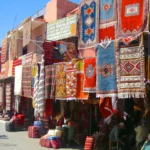
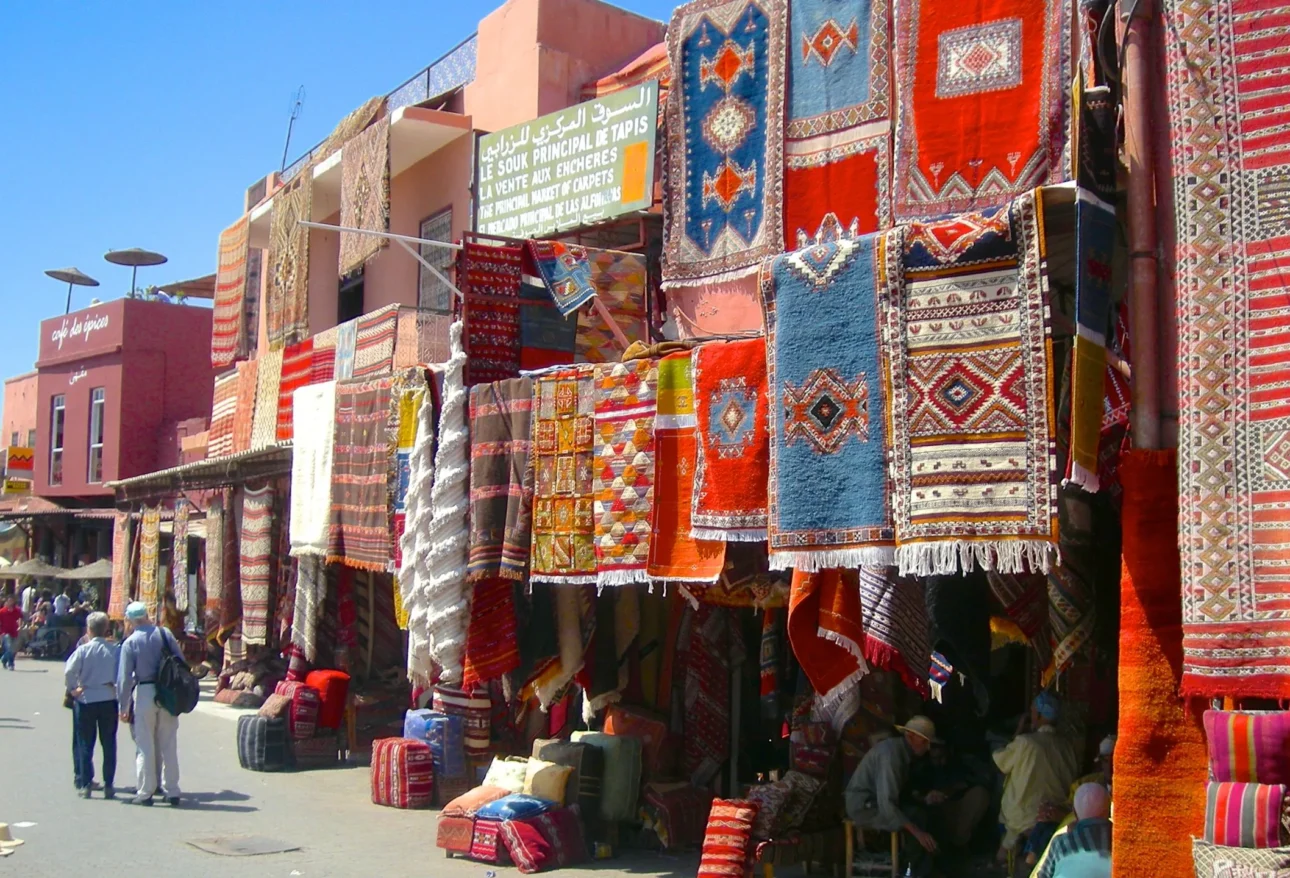
Visitors can also dive into the lively souks. Enjoying traditional Moroccan food is even more fun in the summer evenings.
Fall in Morocco: September to November
Fall in Morocco is a great time to explore the country. The weather is mild, and there are fewer tourists. This makes for a more relaxed and authentic experience.
Weather Patterns in Autumn
In the fall, Morocco’s weather gets cooler. Temperatures range from 68°F to 77°F (20°C to 25°C). Coastal areas stay pleasant, while the Atlas Mountains cool down, perfect for trekking.
Ideal Fall Destinations
Fall is perfect for exploring Morocco’s diverse landscapes. The Atlas Mountains offer stunning views and great hiking. The oases and deserts are warm but not hot. Coastal cities like Essaouira and Casablanca have gentle breezes and pleasant temperatures.
Harvest Festivals and Autumn Events
Autumn in Morocco is filled with harvest festivals and cultural events. Visitors can enjoy the Date Harvest in the oases. They can see traditional practices and taste fresh dates.
Date Harvest in the Oases
The date harvest season happens in late September and early October. Visitors can help with the harvest. They learn about date cultivation and enjoy local hospitality.
Traditional Autumn Celebrations
Morocco celebrates many festivals in autumn. The Marrakech International Film Festival and local harvest celebrations are highlights. These events showcase Morocco’s rich culture and traditions.
| Destination | Average Temperature (°C) | Events |
|---|---|---|
| Marrakech | 22-25 | Marrakech International Film Festival |
| Essaouira | 20-23 | Gnaoua World Music Festival |
| Ouarzazate | 25-28 | Date Harvest Celebrations |
Winter in Morocco: December to February
Winter in Morocco, from December to February, brings a unique charm. It’s a cool change from the usual warm weather. Most areas see cooler temperatures.
Weather Across Regions
Morocco’s climate changes a lot in winter. The Atlas Mountains get cold and sometimes snow. It’s perfect for skiing and snowboarding.
The desert stays warm during the day but gets chilly at night. Coastal cities like Casablanca and Rabat have mild winters. Temperatures there range from 45°F to 65°F (7°C to 18°C).
Winter Activities and Attractions
Winter in Morocco has lots to offer. You can ski in the Atlas Mountains, explore warm deserts, or visit historic cities with mild weather.
- Skiing and snowboarding in the Atlas Mountains
- Exploring the warm desert landscapes
- Visiting historic cities with mild winter weather
Skiing in the Atlas Mountains
The Atlas Mountains are great for skiing in North Africa. Resorts like Oukaïmeden have slopes for all skill levels.
Desert Experiences in Winter
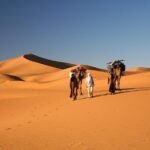
Winter is perfect for Morocco’s deserts. The weather is just right for camel treks and desert camping.
Holiday Celebrations and Winter Festivals
Winter in Morocco is full of holiday celebrations and festivals. The country celebrates New Year’s Day on January 1st. Cultural festivals also happen during this time.
Visitors can dive into local culture at these events. They feature traditional music, dance, and food.
“Morocco is a country that knows how to celebrate, and winter is no exception. From New Year’s festivities to cultural festivals, there’s always something happening.”
– Moroccan Tourism Board
Best Time to Travel to Morocco Based on Activities
The best time to visit Morocco depends on what you want to do. Whether it’s exploring the Sahara Desert or hiking in the Atlas Mountains. Each activity is best enjoyed at a specific time of year.
Desert Experiences: When to Visit the Sahara
Exploring the Sahara Desert is a top activity for many. The cooler months are the best time for desert adventures.
Camel Trekking and Camping Seasons
October to April is the best for camel trekking and camping. The weather is cooler during these months.
Avoiding Extreme Desert Temperatures
Summer (June to August) is too hot for the Sahara. Temperatures can be very high during this time.
Mountain Trekking in the Atlas
The Atlas Mountains are great for challenging hikes. The best time for trekking varies by peak and weather.
Hiking Season for Toubkal and Major Peaks
April to October is the hiking season for peaks like Toubkal. The weather is clearer, and snow is less likely.
Mountain Passes and Accessibility by Season
Mountain passes are snowed in from December to February. This makes them hard to trek during winter.
Beach Vacations Along the Coast
Morocco’s coast has beautiful beaches and a relaxed vibe. The warmer months are best for beach vacations.
- Summer (June to August) is great for swimming and water sports.
- Spring (March to May) and autumn (September to November) have mild temperatures.
Regional Guide: When to Visit Key Destinations
Knowing when to visit Morocco’s different places is key for a great trip. Morocco has many areas, each with its own climate and charm.
Marrakech and Central Morocco
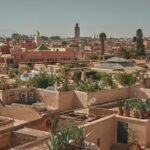
Marrakech is lively and best seen in spring (March to May) or autumn (September to November). The weather is nice then. You can see places like the Medina and Jardin Majorelle easily. Summer is very hot, and winters are mild but can get cool at night.
Coastal Cities: Casablanca, Rabat, and Essaouira
The coastal cities have a milder climate than inland areas. Casablanca and Rabat are great in spring and autumn. Essaouira is good all year but summer is best for windsports.
Wind Patterns in Essaouira
Essaouira’s winds are perfect for wind sports. Summer winds are strong, making it great for windsurfing and kitesurfing.
Urban Exploration Weather Considerations
Spring and autumn are best for city trips in coastal areas. The weather is mild, and there are fewer tourists than in summer.
Northern Morocco: Fes, Meknes, and Chefchaouen
Fes and Meknes are rich in history and best in spring and autumn. The weather is perfect for exploring ancient sites. Chefchaouen in the Rif Mountains is cool in summer, unlike the lowlands.
Morocco’s regions are varied, and knowing when to visit each can make your trip better. Whether you like cities, coast, or mountains, planning for the weather will make your journey more enjoyable.
Budget Considerations: High and Low Seasons
Traveling to Morocco can be affordable if you know the high and low seasons. Planning your trip for these times can save you money.
Peak Tourist Seasons and Pricing
Prices for places to stay and tourist services go up in peak seasons. This happens because more people want to travel.
European Holiday Impacts on Pricing
European holidays, like summer, bring many tourists to Morocco. This makes prices go up. Booking early helps you get a good deal.
Ramadan Effects on Tourism
Ramadan is a special time but can change things. Some places might not be open during the day. But, nighttime events are a big part of the fun. Prices might change, and some places might close early.
Finding Deals in Shoulder Seasons
The shoulder seasons, like spring and autumn, have nice weather and lower prices. They’re great for finding good deals.
Best Months for Value Travel
April and September are the best for saving money in Morocco. The weather is nice, and there are fewer tourists than in summer.
Negotiating Accommodations Off-Season
In the off-season, hotels and riads might lower their prices. If you’re flexible with your travel dates, you can get a better deal.
| Season | Average Price Range | Weather |
|---|---|---|
| Peak (Summer) | $150-$300 per night | Hot |
| Shoulder (Spring/Autumn) | $80-$200 per night | Mild |
| Off-Peak (Winter) | $50-$150 per night | Cool |
Cultural Events and Festivals Worth Planning Around
Morocco’s rich culture is celebrated in many festivals and events all year. These events are a great chance for visitors to dive into local traditions and culture.
Religious Festivals and Holidays
Morocco is mostly Muslim, and its religious festivals are big deals. Ramadan, a month of fasting, is a time for spiritual focus and coming together. Traveling during Ramadan can be special, but it’s key to respect local ways.
Ramadan Travel Considerations
During Ramadan, many places close during the day, and things feel quieter. But, the evenings buzz with iftar (break-fast) parties and tarawih prayers. Travelers should get ready for early meals and different business hours.
Eid Celebrations and Local Experiences
The Eid al-Fitr at Ramadan’s end is a big deal, filled with food, family, and giving. Visitors can join in the fun and see Moroccan kindness firsthand.
Music and Arts Festivals
Morocco has many music and arts festivals that show off its cultural variety. These events draw artists and fans from everywhere, making a unique cultural mix.
Fes Festival of World Sacred Music
The Fes Festival of World Sacred Music is a major event. It brings musicians from all over to play sacred tunes. Held in Fes, it adds to the city’s cultural value.
Gnaoua World Music Festival in Essaouira
The Gnaoua World Music Festival in Essaouira is another highlight. It celebrates Gnaoua music and culture. With performances by both local and international artists, it’s a lively and diverse scene.
Health and Safety Considerations by Season
Knowing the health and safety tips for each season is important for a safe trip to Morocco. The climate changes a lot with the seasons. This affects the health and safety tips travelers need to know.
Managing Heat-Related Risks in Summer
Summer in Morocco is very hot, mainly in the desert. To stay safe, drink lots of water, wear light, breathable clothing, and avoid being outside when it’s hottest.
- Drink plenty of water throughout the day.
- Wear a hat and sunglasses for protection.
- Seek shade or air-conditioned spaces when possible.
Rainy Season Travel Precautions
Morocco gets rainy in the winter, mostly in the north. Be ready for flash floods and slippery roads. Always check the weather forecast and know the local conditions.
- Monitor local weather forecasts.
- Avoid traveling during heavy rainfall.
- Be cautious of flooded areas.
Seasonal Health Preparations
It’s key to prepare for health issues that come with the seasons. This means thinking about vaccination timing and how to prevent seasonal illnesses.
Vaccination Timing
Talk to a doctor to find out the right vaccinations for Morocco, based on when you’re going.
Seasonal Illness Prevention
Prevent illnesses like the flu in winter. Wash your hands often and carry a mask if you have breathing problems.
Conclusion: Making the Most of Your Morocco Adventure
Planning a trip to Morocco means thinking about the time of year, activities, and cultural events. This ensures a trip you’ll always remember. Knowing the country’s climate and seasons helps you decide when to go and what to do.
Morocco offers both relaxation and adventure. You can explore the lively streets of Marrakech or enjoy the quiet beauty of the Sahara Desert. Morocco travel promises a rich and rewarding journey.
Consider your budget, health, and safety when planning your trip. Morocco’s rich culture and varied landscapes make it perfect for anyone looking for a unique experience. It’s a top choice for travelers seeking something special.
FAQ
What is the best time to visit Morocco?
The best time to visit Morocco varies based on what you like and what you plan to do. Spring (March to May) and autumn (September to November) are the best times. They offer mild and pleasant weather.
Is Morocco hot during the summer?
Yes, Morocco gets very hot in the summer (June to August). Places like Marrakech and the Sahara Desert can have temperatures over 100°F (38°C).
Can I visit Morocco during Ramadan?
Yes, you can visit Morocco during Ramadan. But, be respectful of local customs and traditions. Many restaurants close during the day. It’s polite to avoid eating, drinking, or smoking in public during daylight.
What are the must-see destinations in Morocco?
Morocco is full of cultural heritage and diverse landscapes. Top places to visit include Marrakech, Fes, Chefchaouen, Essaouira, and the Sahara Desert.
Are there any specific health precautions I should take when traveling to Morocco?
Yes, take health precautions when traveling to Morocco. Stay hydrated, protect yourself from the sun, and be careful with food and water. Talk to your doctor or a travel clinic about vaccinations and medications.
How do I get around Morocco?
Morocco has a good transportation network. You can use buses, trains, and taxis. Renting a car or hiring a private driver is also an option. Many tour operators offer guided tours and transportation services.
What is the local currency in Morocco, and can I use credit cards?
The local currency in Morocco is the Moroccan dirham (MAD). Credit cards are accepted in tourist areas. But, it’s wise to have local currency for smaller purchases and traditional souks.
Is Morocco safe for tourists?
Morocco is generally safe for tourists. But, take normal precautions to protect yourself and your belongings. Be careful in crowded areas and tourist hotspots.
What are some essential items to pack for a trip to Morocco?
Pack comfortable clothing, sun protection, a hat, and layers for cooler evenings. Don’t forget a power adapter for charging devices. Morocco uses Type C and E power sockets.
Can I haggle prices in Morocco?
Yes, haggling is common in Morocco, mainly in traditional markets and souks. Be ready to negotiate prices. Don’t be afraid to walk away if the price isn’t right.